The Importance of Responsible E-waste Management Can Benefit Business Operations Achieve Sustainability: Sustainable Methods for Corporate Organizations
Electronics recycling offers a crucial prospect for businesses endeavoring to enhance their sustainability endeavors. By managing e-waste appropriately, enterprises can diminish their environmental impact and recover valuable resources. In addition, embracing these practices can improve brand perception with eco-conscious consumers. However, many enterprises might fail to consider the complexities involved in establishing a successful recycling strategy. Grasping these particulars is essential for navigating the direction to sustainable endeavors and capturing persistent results.
The Essential Function of Electronic Equipment Waste Recovery for Organizations
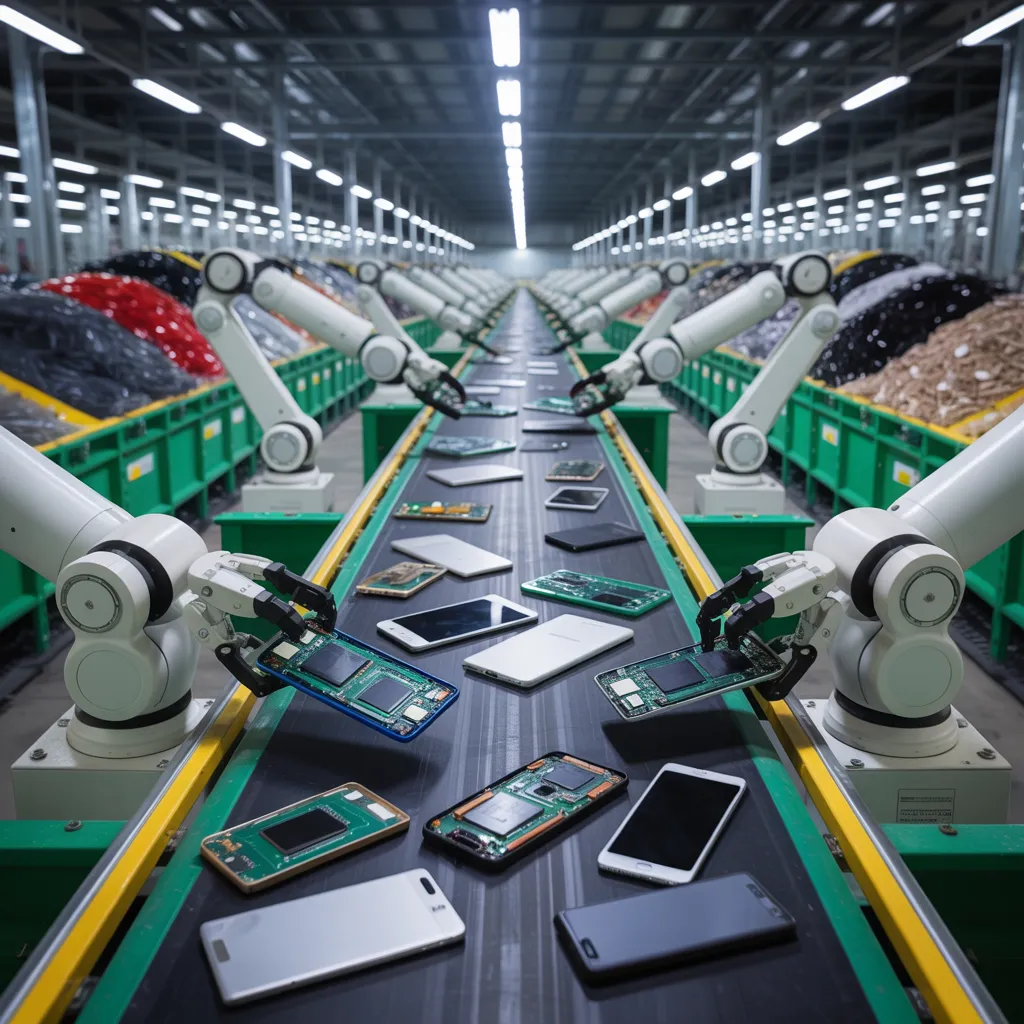
Although many businesses may overlook the importance of electronics recycling, it serves as an essential role in promoting sustainability and reducing environmental impact. As technological progress increase, companies frequently replace their electronic devices, resulting in a expanding volume of e-waste. Proper recycling guarantees that precious resources are recovered, minimizing the need for new material sourcing and preserving energy.
Moreover, participating in electronics recycling can enhance a company's reputation. Consumers more and more prefer businesses committed to sustainable practices, and showing responsibility in managing e-waste can draw environmentally conscious customers. Compliance with regulations regarding electronic waste also shields businesses from potential legal liabilities and fines.
Furthermore, recycling can lead to financial benefits. By properly managing outdated electronics, companies can reduce waste disposal fees and extract financial value from recyclable materials. Overall, adopting electronics recycling is not merely an moral choice; it is a tactical business decision that aligns with modern sustainability goals.
Ways Electronics Reprocessing Minimizes Environmental Effects
Electronics recycling serves as an crucial role in decreasing environmental consequences by conserving natural resources and minimizing e-waste contamination. By reclaiming precious materials, this practice supports the promotion of circular economy principles. As companies engage in ethical recycling, they add to a more eco-friendly future.
Preserving Natural Resources
Recycling electronics greatly aids the conservation of natural resources by reclaiming valuable materials. Many electronic devices useful information contain valuable metals such as gold, silver, and palladium, which can be extracted and reused. This process lowers the need for mining, a resource-intensive activity that drains ecosystems and consumes considerable energy. Additionally, recycling helps recover rare earth elements essential for manufacturing new technologies. By diverting electronic waste from landfills, businesses not only lessen the environmental impact of resource extraction but also promote a circular economy. This sustainable practice allows companies to cut their carbon footprint, lower production costs, and support environmental stewardship, ultimately fostering a healthier planet for future generations. Through responsible recycling, businesses can lead the way in conserving crucial natural resources.
Minimizing E-Waste Pollution
A large fraction of worldwide waste involves electronic devices, causing escalating environmental pollution. E-waste that is disposed of improperly releases harmful substances including heavy metals and toxins, polluting soil and water sources. Electronics recycling reduces these risks by ensuring that harmful components are processed safely and responsibly. Through repurposing materials like metals, plastics, and glass, recycling reduces the demand for new resource extraction, further reducing environmental harm. Recycling schemes also aid in the responsible disposal of obsolete devices, enabling businesses to meet environmental rules. Companies that participate in electronics recycling reduce their carbon footprint and support a healthier environment. This forward-thinking method exhibits corporate responsibility while effectively dealing with the urgent problem of e-waste pollution.
Supporting Loop Economy Implementations
Establishing robust electronics waste recycling programs represents a key dimension in developing circular economy frameworks. When organizations process discarded electronics, they can dramatically reduce the demand for virgin materials, thereby conserving environmental assets and stemming ecological degradation. This undertaking facilitates the recovery of precious materials, stretching the product lifetime of merchandise and reducing the volume of electronic waste sent to landfills. Furthermore, through embracing circular economy models, enterprises can elevate their reputation and align with consumer demand for responsible practices. Supporting responsible waste management furthermore stimulates technological advancement in product development, compelling producers to create devices that are more straightforward to deconstruct and recycle. In summary, integrating e-waste recycling within business operations supports a more sustainable world, serving both the natural environment and the economy.
Primary Positives of Electronics Recovery for Companies
Electronics reprocessing offers significant benefits for companies, mainly through reduced expenses and environmental impact reduction. By properly recycling outdated equipment, companies can minimize waste expenses and recover valuable materials. Furthermore, embracing recycling practices enhances corporate responsibility and promotes eco-friendly initiatives.
Financial Economy Prospects
Countless companies are discovering impressive savings through effective e-waste recycling approaches. By establishing these programs, companies can decrease disposal fees associated with e-waste, since recycling often costs less than landfill disposal. Additionally, valuable materials recovered from old electronics can be resold, producing revenue and reducing replacement costs. Streamlined recycling processes also minimize storage costs for aging equipment, liberating valuable office space. Moreover, many organizations benefit from tax incentives tied to sustainable practices, offering another layer of financial advantage. To summarize, implementing electronics recycling not only supports corporate responsibility but also fosters economic efficiency, helping businesses to allocate resources more effectively and improve their bottom line.
Minimizing Environmental Impact
A major reduction in environmental burden is one of the core benefits companies gain when they implement robust device recycling programs. By refurbishing discarded devices, firms can reduce dangerous refuse, such as harmful elements and poisonous materials, that can contaminate terrestrial and marine environments. This not only assists in protecting environmental assets but also lowers the greenhouse gas emissions linked to fabricating modern electronics. Additionally, reprocessing saves power, as it often requires reduced fuel to handle reclaimed substances than to mine and process untreated raw materials. As enterprises adopt such initiatives, they advance sustainable production cycles, fostering environmental stewardship and preservation. Ultimately, accountable device disposal allows companies to improve sustainability image while benefiting our world.
How to Create a Effective Electronics Recycling Strategy
Forming a successful electronics recycling strategy requires careful strategizing and carrying out. Businesses should begin by evaluating their current e-waste management practices to recognize segments for improvement. This evaluation should feature an accounting of outdated devices and an valuation of disposal systems.
Following this, entities should create measurable goals for their recycling strategies, which may include lowering waste output, raising recycling levels, or advancing sustainability goals. Engaging workforce via training sessions develops a sense of environmental accountability and inspires participation in environmental programs.
Additionally, developing a timeline and budget is crucial for tracking progress and guaranteeing resources are distributed efficiently. Frequently assessing and revising the strategy based on suggestions and changing regulations helps sustain adherence and effectiveness. By incorporating these elements, companies can create a robust electronics recycling strategy that not only helps the environment but also promotes corporate accountability and strengthens their sustainable image.
Ways to Identify the Best Electronics Reclamation Collaborator
In what way can a company guarantee that its e-waste recycling provider aligns with its environmental objectives? Selecting the right recycling partner demands thorough assessment of their procedures and certifications. Organizations should seek providers who possess recognized certifications, like R2 or e-Stewards, which confirm compliance to environmental standards.
Additionally, enterprises should ask about the partner recycling procedures, encompassing the methods used to handle hazardous materials and the share of materials recycled in contrast to those sent to landfills. Accountability in data management and reporting standards is also important.
Additionally, a solid standing in the industry can showcase reliability; businesses may gain benefits from customer feedback and recommendations from other clients. Engaging in clear dialogue about sustainability goals will help guarantee coordination. Ultimately, selecting a partner committed to ethical recycling practices can significantly improve a corporation's overall green initiatives.
Refuting Typical Myths About Electronics Reuse
While many organizations understand the necessity of electronics recycling, several myths continue that can impede proper practices. One typical misconception is that all electronics can be placed in ordinary recycling bins. In reality, specialized facilities are necessary to manage electronic waste safely. Another myth states that recycling electronics is too pricey for businesses. In fact, many recycling programs supply free or low-cost services that can ultimately save companies money by reducing waste disposal fees. Additionally, some think that data security concerns make recycling too risky. However, reputable recycling partners offer certified data destruction services, guaranteeing sensitive information is carefully handled. Finally, there is a notion that recycling electronics has minimal environmental impact. In truth, proper recycling greatly reduces e-waste in landfills and protects valuable resources. Debunking these myths is vital for businesses aiming to implement sustainable practices and contribute positively to the environment.
Measuring Your E-waste Recycling Success
Firms that successfully refute myths about electronics recycling often find themselves keen to track their headway. Tracking key performance indicators is essential for examining the performance of recycling schemes. Measurements such as the scale of e-waste recycled, the percentage of materials salvaged, and cost savings can provide worthwhile insights.
Moreover, enterprises should evaluate their carbon footprint reduction and compliance to environmental regulations. Involving employees through awareness programs can also be measured by participation rates in waste management initiatives.
Taking into account customer responses can further enhance insight of the recycling program's consequences. Ongoing assessments and communication on these indicators not only emphasize successes but also reveal zones needing development.
Ultimately, an organized approach to measuring electronics recycling success facilitates businesses to make data-driven decisions, fostering a culture of sustainability that benefits both the environment and the organization.
Often Raised Questions
What Types of Tech Products Can Be Recycled?
Numerous types of electronics can be recycled, encompassing computers, smartphones, tablets, televisions, printers, and gaming consoles. These items frequently have valuable materials that can be repurposed, lowering waste and promoting environmental sustainability.
How Regularly Should Corporations Recycle Their Electronics?
Enterprises should recycle their technological devices at least once per year, or more frequently contingent upon technology enhancements and operational changes. Regular recycling guarantees prudent resource allocation and adherence to regulatory standards, promoting sustainability in your enterprise.
What Costs Come With Electronics Recycling?
Yes, there are expenses linked to electronics recycling, including collection, transportation, and processing charges. However, these costs can be offset by potential reductions from decreased waste disposal and adherence to environmental standards.
May Recycling Electronics Lead to Data Confidentiality Risks?
Yes, disposing of electronics can result in information security threats if proper procedures are not kept. Sensitive information may be carelessly revealed during the waste management procedure, illustrating the necessity of confidential data elimination methods before throwing away.
What Certifications Should Your Recycling Partner Possess?
A reputable recycling partner should demonstrate credentials such as R2, e-Stewards, and ISO 14001. These accreditations guarantee conformity with environmental standards, information protection standards, and responsible recycling practices, safeguarding both the ecosystem and sensitive information.